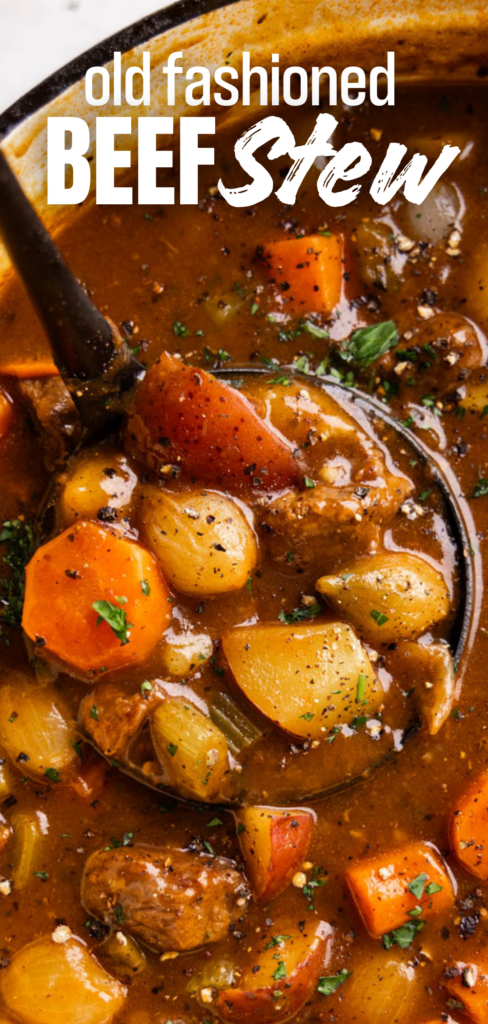
Ever notice how the smell of beef stew doing its quiet thing on the back burner makes a whole house feel like it's forgiven you for something? That's the question I keep circling back to: why does one pot of brown food feel so much like a hug? I grew up watching my grandmother brown cubes of chuck in a dented Dutch oven, and I've spent years chasing that exact gravy – dark, glossy, and just thick enough to cling to a spoon.
Advertisements1
This is my old fashioned beef stew, the version I make when the weather turns and I want dinner to be a decision I don't have to revisit. It's not fancy. There's no wine reduction or exotic spice rack raid. Just chuck, onions, carrots, potatoes, a little tomato paste for depth, and enough patience to let the collagen melt into silk.
Small digression, clearly flagged: I once tried adding a splash of fish sauce to deepen the broth, and while it was delicious, my neighbor declared it 'not old fashioned.' So here we are, back to the classics – though I'll whisper the fish sauce trick to you in the variations.
Why You'll Love This Recipe
About the Ingredients
2 1/2 lbs (1.1 kg) beef chuck roast, cut into 1 1/2-inch cubes
Chuck is ideal because its marbling melts into the gravy; if your store is out, ask for blade steak or boneless short rib and trim excess fat. Pat the cubes very dry before browning or they'll steam instead of sear.
2 teaspoons kosher salt, plus more to taste
Kosher salt dissolves evenly and seasons the meat before it hits the pan; if using fine table salt, start with 1 1/4 teaspoons since it's much denser.
1 teaspoon freshly ground black pepper
Fresh-cracked pepper blooms in the hot oil; pre-ground works in a pinch but add it with the broth instead so it doesn't scorch.
3 tablespoons vegetable oil, divided
A neutral high-smoke-point oil like canola or grapeseed is best for searing; olive oil will smoke at this temperature, so save it for finishing.
2 medium yellow onions, cut into 1-inch chunks
Yellow onions give the sweetest, deepest base; white onions are sharper, and if you only have red, use them but expect a slightly pinker gravy.
3 tablespoons tomato paste
Tomato paste adds body and a subtle tang that rounds out the broth; substitute 1/3 cup tomato sauce and reduce the beef broth by the same amount.
3 tablespoons all-purpose flour
Flour thickens the gravy the old fashioned way; for a gluten-free pot, swap in 1 1/2 tablespoons cornstarch whisked into cold broth at the end.
4 cups (960 ml) low-sodium beef broth
Low-sodium lets you control the seasoning; if using homemade stock, taste before adding extra salt. Chicken broth works but gives a lighter flavor.
1 tablespoon Worcestershire sauce
This is the umami backbone of the gravy; soy sauce or coconut aminos are solid substitutes if you're out.
1 1/2 lbs (680 g) Yukon Gold potatoes, cut into 1 1/2-inch chunks
Yukon Golds hold their shape while turning creamy inside; russets will break down and thicken the stew, which is fine if you like it heartier.
4 medium carrots, peeled and cut into 1-inch rounds
Look for firm carrots with no flex; if they bend, they're old and will turn mushy. Parsnips make a lovely sweeter swap.
2 dried bay leaves and 1 teaspoon dried thyme
Bay and thyme are the classic herbal pair here; fresh thyme can be tied in a bundle and fished out before serving.
Tips & Tricks
Dry the beef thoroughly before searing
Surface moisture is the enemy of browning, so pat every cube with paper towels. Wet meat steams to gray instead of developing the deep crust that flavors the whole pot.
Brown in batches and don't crowd the pan
Overlapping cubes drop the pan temperature and trap steam. Two or three batches in a wide Dutch oven gives you the mahogany fond that makes this stew taste slow-cooked even when it isn't.
Add potatoes and carrots late
Root vegetables need only 25 to 30 minutes of simmering. Adding them at the start turns them to mush and clouds the gravy with starch.
Season at the end, not just the start
The broth reduces and concentrates, so taste after the vegetables are tender and adjust salt then. A final splash of Worcestershire or a pat of butter brightens everything.
Pro Tips
Step-by-Step Instructions
1. Season and Dry the Beef
Pat the beef cubes completely dry with paper towels, then toss with the kosher salt and black pepper in a large bowl. Let them sit at room temperature for 15 minutes while you chop the vegetables – this takes the chill off so the centers cook evenly.
2. Sear in Batches
Heat 1 tablespoon of the oil in a large Dutch oven over medium-high heat until it shimmers, about 2 minutes. Add half the beef in a single layer and sear undisturbed for 3 to 4 minutes per side, until deeply golden brown and easy to release from the pan, about 10 minutes total per batch. Transfer to a plate and repeat with another tablespoon of oil and the remaining beef.
3. Soften the Onions
Lower the heat to medium, add the last tablespoon of oil and the onions, and cook for 5 to 6 minutes, stirring occasionally, until softened and the edges are translucent and lightly golden. Scrape up any browned bits as they release.
4. Bloom the Tomato Paste
Stir the tomato paste into the onions and cook for 2 minutes, stirring constantly, until it darkens to a brick red and smells sweet rather than sharp. Sprinkle the flour over the top and stir for 1 minute to coat everything – this cooks out the raw flour taste.
5. Build the Broth
Pour in the beef broth a splash at a time, whisking constantly to work the flour into a smooth liquid, then add the Worcestershire sauce, bay leaves, and thyme. Return the beef and any juices from the plate to the pot and bring to a gentle simmer over medium heat, about 5 minutes.
6. Simmer Low and Slow
Reduce the heat to low, cover, and simmer at a bare bubble, around 200F (93C), for 1 hour 15 minutes, stirring every 20 minutes, until the beef is fork-tender and shreds with light pressure. Keep the lid slightly ajar if it's bubbling hard.
7. Add the Vegetables
Stir in the potatoes and carrots, cover, and continue simmering for 25 to 30 minutes more, until a knife slides into a potato with no resistance and the gravy coats the back of a spoon. If it looks thin, simmer uncovered for the last 10 minutes.
8. Taste, Rest, and Serve
Fish out the bay leaves, taste the gravy, and add salt and pepper as needed. Take the pot off the heat and let it rest for 10 minutes – the gravy will thicken and gloss over. Ladle into deep bowls with crusty bread.
Delicious Variations
Red Wine Version
Replace 1 cup of the beef broth with dry red wine and deglaze the pan with it after searing for a deeper, more complex gravy.
Slow Cooker Version
Brown the beef and onions on the stove, then transfer everything except the potatoes and carrots to a slow cooker and cook on low for 6 hours, adding the vegetables in the last 2 hours.
Herb and Mushroom Twist
Add 8 ounces of sliced cremini mushrooms with the onions and finish with a tablespoon of chopped fresh parsley for an earthier, meatier pot.
How to Store Old Fashioned Beef Stew
Refrigerator
Cool within 2 hours, then store in an airtight container in the refrigerator for up to 4 days. The gravy will set into a gel – that's the collagen, and it's a good sign.
Freezer
Freeze in portioned containers for up to 3 months, leaving 1 inch of headspace. Potatoes soften slightly on thawing, so freeze before adding them if you're planning ahead.
Reheating
Reheat gently on the stovetop over medium-low heat with a splash of broth or water, stirring until loosened, about 8 minutes. Microwaving works but can toughen the meat edges, so go 50 percent power and stir halfway.
Frequently Asked Questions
Q: What is the best cut of beef for old fashioned beef stew?
Chuck roast is the best cut because its marbling and connective tissue break down into a rich, tender stew. Blade steak, boneless short rib, and bottom round also work, but avoid lean cuts like sirloin, which turn dry and chewy.
Q: Why is my beef stew tough?
Your stew is tough because it was either undercooked or simmered too hard. Collagen needs a long, gentle cook at a bare simmer – around 200F (93C) – for at least an hour, so if the meat is chewy, add 20 minutes of gentle simmering and it will relax.
Q: How do I thicken beef stew that's too thin?
Whisk 1 tablespoon of cornstarch into 2 tablespoons of cold water and stir it into the simmering stew, then cook for 2 minutes until glossy. Alternatively, simmer uncovered for 10 to 15 minutes to reduce and concentrate the gravy naturally.
Q: Can I make old fashioned beef stew in a slow cooker?
Yes, and the results are excellent if you brown the beef first. Sear the meat and onions on the stove, transfer to the slow cooker with the broth and seasonings, and cook on low for 6 hours, adding potatoes and carrots in the last 2 hours so they don't turn to mush.
Q: What do you serve with beef stew?
Crusty bread, buttered biscuits, or a mound of mashed potatoes are the classic partners for sopping up the gravy. A simple green salad or buttered peas on the side keeps the meal from feeling too heavy.
So there it is – the pot that answers my opening question, at least for me. Brown the beef properly, keep the simmer gentle, and let time do the heavy lifting. If you make it, tell me what you served alongside, and whether your family fought over the last potato like mine did. Stay curious a little longer.
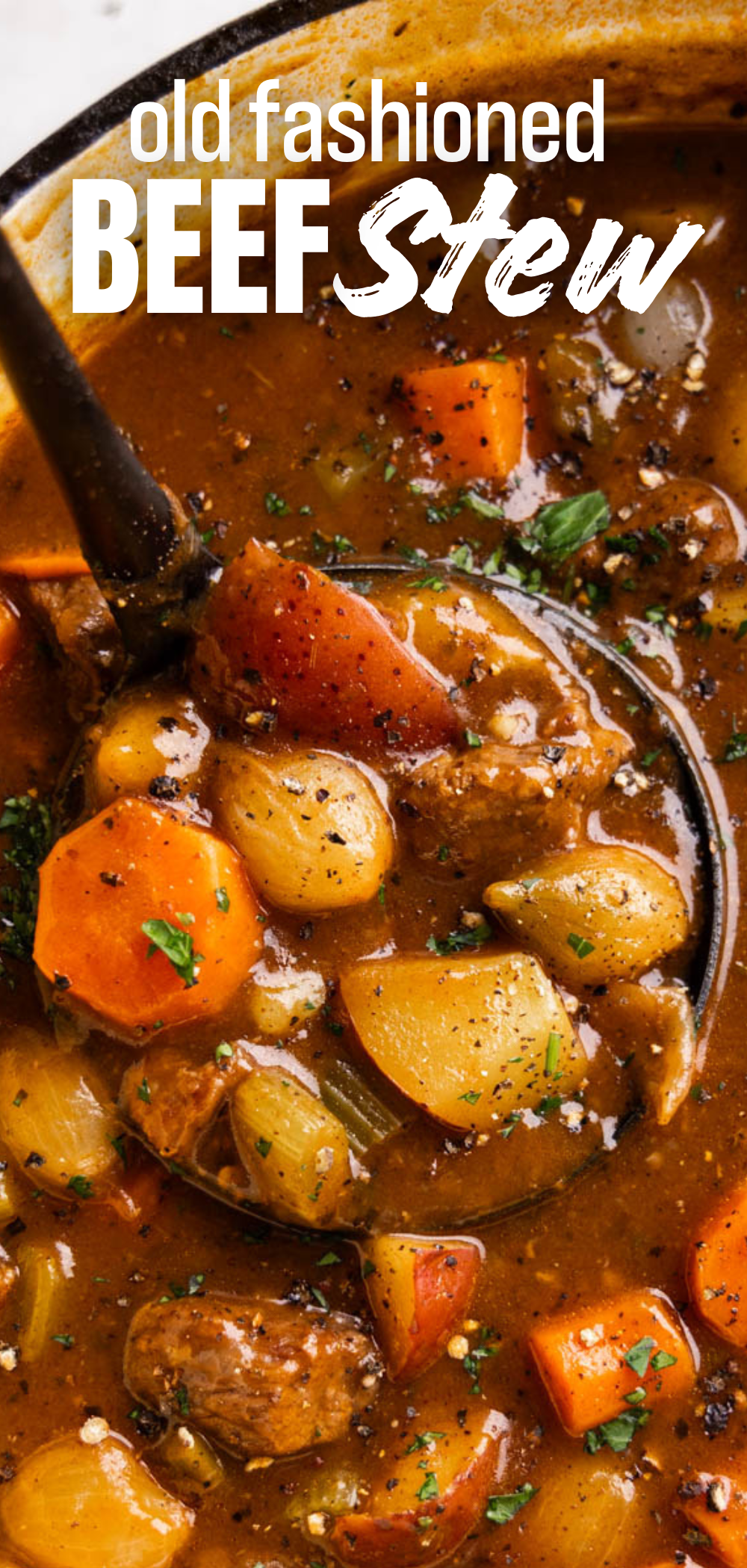
Old Fashioned Beef Stew
Old Fashioned Beef Stew delivers deep, slow-simmered flavor with tender chuck, sweet carrots and a glossy gravy that begs for crusty bread.
🧂 Ingredients
- 2 1/2 lbs (1.1 kg) beef chuck roast, cut into 1 1/2-inch cubes
- 2 teaspoons kosher salt, plus more to taste
- 1 teaspoon freshly ground black pepper
- 3 tablespoons vegetable oil, divided
- 2 medium yellow onions, cut into 1-inch chunks
- 3 tablespoons tomato paste
- 3 tablespoons all-purpose flour
- 4 cups (960 ml) low-sodium beef broth
- 1 tablespoon Worcestershire sauce
- 1 1/2 lbs (680 g) Yukon Gold potatoes, cut into 1 1/2-inch chunks
- 4 medium carrots, peeled and cut into 1-inch rounds
- 2 dried bay leaves and 1 teaspoon dried thyme
📋 Instructions
- 1Season and Dry the Beef — Pat the beef cubes completely dry with paper towels, then toss with the kosher salt and black pepper in a large bowl. Let them sit at room temperature for 15 minutes while you chop the vegetables – this takes the chill off so the centers cook evenly.
- 2Sear in Batches — Heat 1 tablespoon of the oil in a large Dutch oven over medium-high heat until it shimmers, about 2 minutes. Add half the beef in a single layer and sear undisturbed for 3 to 4 minutes per side, until deeply golden brown and easy to release from the pan, about 10 minutes total per batch. Transfer to a plate and repeat with another tablespoon of oil and the remaining beef.
- 3Soften the Onions — Lower the heat to medium, add the last tablespoon of oil and the onions, and cook for 5 to 6 minutes, stirring occasionally, until softened and the edges are translucent and lightly golden. Scrape up any browned bits as they release.
- 4Bloom the Tomato Paste — Stir the tomato paste into the onions and cook for 2 minutes, stirring constantly, until it darkens to a brick red and smells sweet rather than sharp. Sprinkle the flour over the top and stir for 1 minute to coat everything – this cooks out the raw flour taste.
- 5Build the Broth — Pour in the beef broth a splash at a time, whisking constantly to work the flour into a smooth liquid, then add the Worcestershire sauce, bay leaves, and thyme. Return the beef and any juices from the plate to the pot and bring to a gentle simmer over medium heat, about 5 minutes.
- 6Simmer Low and Slow — Reduce the heat to low, cover, and simmer at a bare bubble, around 200F (93C), for 1 hour 15 minutes, stirring every 20 minutes, until the beef is fork-tender and shreds with light pressure. Keep the lid slightly ajar if it's bubbling hard.
- 7Add the Vegetables — Stir in the potatoes and carrots, cover, and continue simmering for 25 to 30 minutes more, until a knife slides into a potato with no resistance and the gravy coats the back of a spoon. If it looks thin, simmer uncovered for the last 10 minutes.
- 8Taste, Rest, and Serve — Fish out the bay leaves, taste the gravy, and add salt and pepper as needed. Take the pot off the heat and let it rest for 10 minutes – the gravy will thicken and gloss over. Ladle into deep bowls with crusty bread.

Priya writes about learning, creativity, and the messy middle of any long project, drawing on everyday observation rather than formal study. Her angle is curiosity: she asks the question most people skip and follows it wherever it leads, often ending somewhere unexpected. She writes for readers who like to think alongside the author rather than be told the answer.